
analytics
Hooey /hoo͞′ē/: Phooey /foo͞′ē/
This post aims to shed light on a dark, automated world where supply chain leaders believe they have answers and are busy automating outdated processes but not driving value.

This post aims to shed light on a dark, automated world where supply chain leaders believe they have answers and are busy automating outdated processes but not driving value.
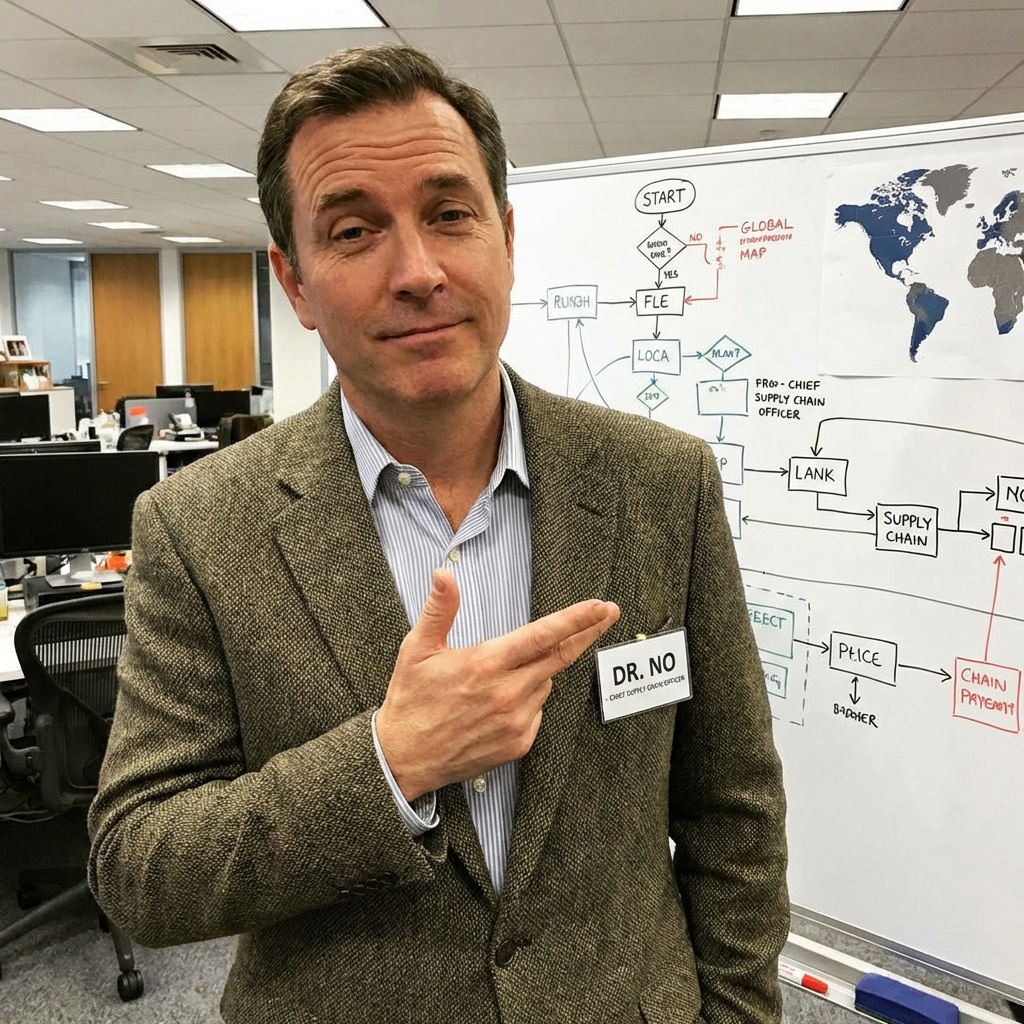
The buyer today for supply chain planning is more conservative. The leaders — Chief Supply Chain Officers —are hardened and conservative, with many becoming “Dr. Nos” during sales cycles while pushing traditional definitions of technology.

The journey of AI automation is a path of carrying small stones starting with the redefinition of architectures with a focus on semantics.

The industry need state requires the redefinition of the current taxonomy of planning based on first principles. This is in conflict with the current thrust to automate existing platforms using agents.

Companies use the term autonomous supply chain planning often as a goal without a clear understanding of what it takes. Here we try to explain how it is not a realistic goal today.

Getting ready for a market downturn. Steps planning teams should take.

As approaches in Artificial Intelligence mature, we have the opportunity to orchestrate the supply chain response. Accomplishing this goal, requires the rethinking of work holistically.

Sharing of a blueprint to adopt Native-AI Platforms in the redefinition of supply chain planning.


A discussion on the use of Lyric as a band-aid to help close the gap in existing supply chain planning solutions.