Kodak owned the original patents for the digital camera, but did not create the market. Why? They were afraid of killing the profitable FILM market. The rest is history.
Blockbuster could have easily created Redbox; but they were too tied to the conventional definition of the STORE. A simple redefinition of delivery created NEW value.
Software as a Service (SaaS) is growing in popularity with the Line-of-Business (LOB) buyer; yet, only 10% of the market is SaaS. They like the ease of deployment, maintenance and implementation. They also like the thought that if they do not get value, they can easily change course. The software vendor has to be accountable to stay in business.
I know no company with a licensed offering that has successfully shifted gears to a SaaS model. <The sales incentive model is JUST too different.>
I also do not know of any software company that has successfully deployed the SAME sales force to sell a licensed and SaaS solution. They are just too different.
Today, DemandTec, ModelN, M-Factor, and Retail Solutions are successfully selling SaaS solutions to improve value chains. They started as SaaS solutions, and are proving the market. Will license solutions that do not spawn SaaS solutions suffer from the same dilemma–not recognizing a shift in delivery–as Kodak and Blockbuster? What do you think?
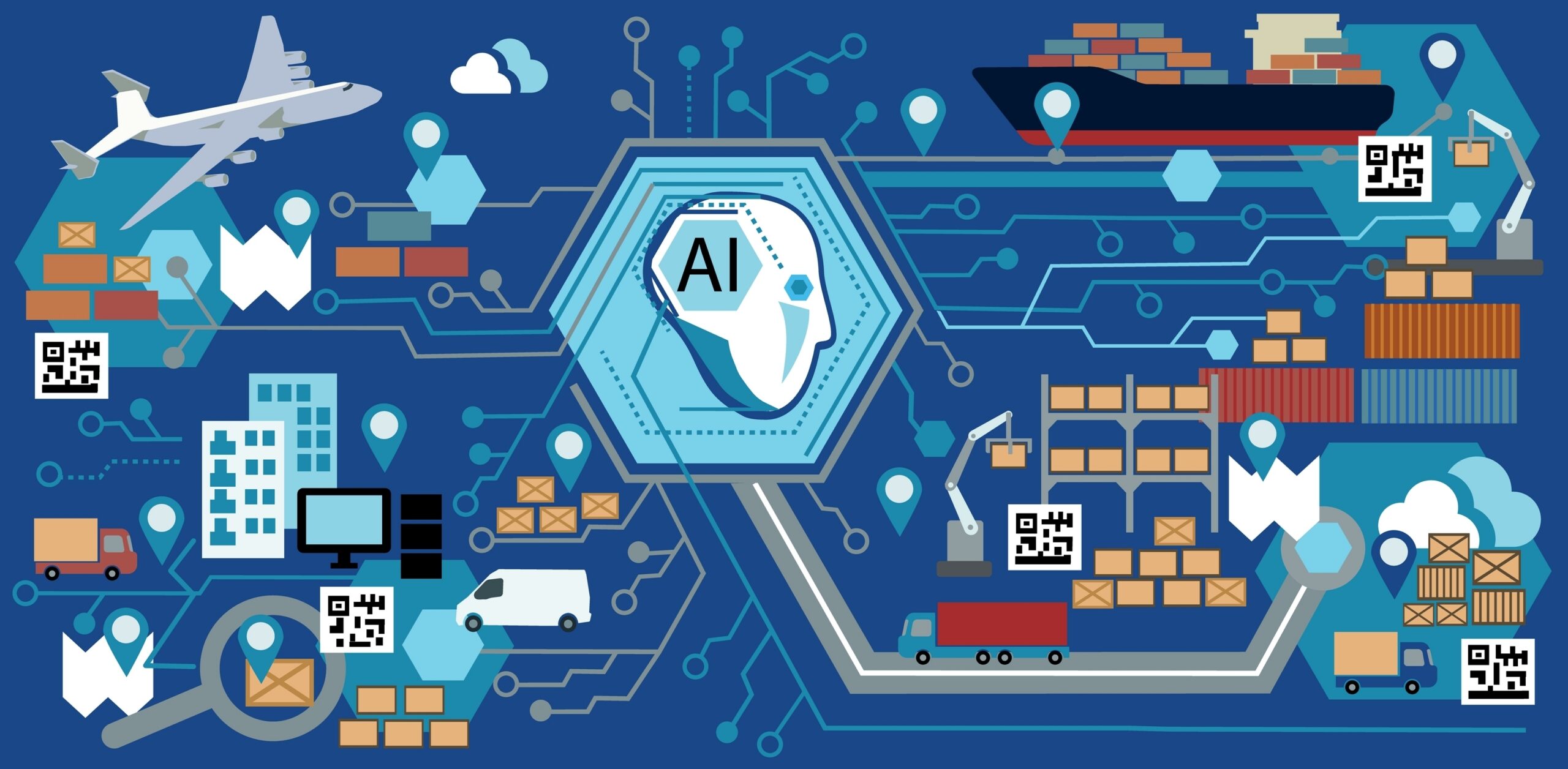
Is your Supply Chain AI Ready?
A simple quiz to assess an organization’s AI readiness.
The pace of change is fast and furious. Every day, technology advances faster than we can digest. A great challenge to have.
Determining whether a supply chain is “AI-ready” is less about technology and more about the gray matter between the ears of supply chain leaders. Leadership, alignment, and clarity of goals matter.
Too few companies are clear on the definition of supply chain excellence. Measuring and rewarding functional metrics reduces the firm’s value. Putting agentics on top of today’s processes can make bad practices run faster, reducing value.
The toughest job for the supply chain leader is challenging existing supply chain paradigms that were defined by the limitations of decades of supply chain technologies. As the curtain lifts on the potential of new forms of technology, process redefinition is our opportunity, but only if we are clear on what drives value. (Here, I link to the Supply Chains to Admire reports to help you define value. The next report will be published on June 23rd, along with my Dynamic Benchmarking Product, to help you define value in the face of your AI readiness. More information about the launch is at the bottom of this blog.)