Lora's Latest Post

The BIG Show: Clouds of Sensors and Sensing

This week, I am attending the annual NRF event in New York. For those that have never been, it lives up to its claim of being a BIG show. Few attendees leave without blisters and the lines of people try your patience. Retailers packed the halls.
I spoke yesterday on Big Data and signed some copies of the book that I have written, Bricks Matter. It is exciting to hold it in my hands and talk to people about it.
Here I write about some general observations on technologies.
Store Sensing: I enjoyed the discussions at the RetailNext booth.  Their new store sensing allows new forms of shopper insights. The cameras can discern gender and the sensor technology can detect patterns in wi-fi addresses. (e.g., phone with wi-fi address x has visited my store Z times with Y behaviors.) The mapping shows heat maps of browsing and buying behavior.  My mind imagined hundreds of use cases. Pretty cool stuff for both retailers and manufacturers. Anyone with a store, and interested in shopper insights, should give them a call.
Sensors: I then stopped by the Tyco Retail booth to catch up with my old friend Jim Caudill and discussed advances in item tagging in the store. RFID for luxury goods is booming, but more interesting to me is the use of dual tags (EAS and RFID) in stores like Zara. Zara is tagging clothing at the distribution center. Imagine a supply chain where you have real-time visibility and monitoring of items. RFI is far from dead in retail.
Cloud. Retailers are moving faster than manufacturers on the use of cloud-based analytics.  I watch the year-over-year growth of the merchandising, forecasting and replenishment vendor Predictix, and the slower growth of the licensed offerings.  It is exciting to see new supply chain applications designed for and implemented in the cloud. Refreshing.
So, as I went to sleep last night, I imagined clouds of sensors and sensing designed to manage the supply chain for retail outside-in not inside-out. After all, it really should start with the shopper, shouldn’t it?
Search the Archives
Search
Share this Post
Email
Twitter
LinkedIn
Facebook
Pinterest
WhatsApp
Featured Image
Recent Posts

Lead Time: A Broken Gossamer

If you are struggling with supply chain planning, dancing in the light of shiny objects, and scratching your head, please read on. My goal is to help you.

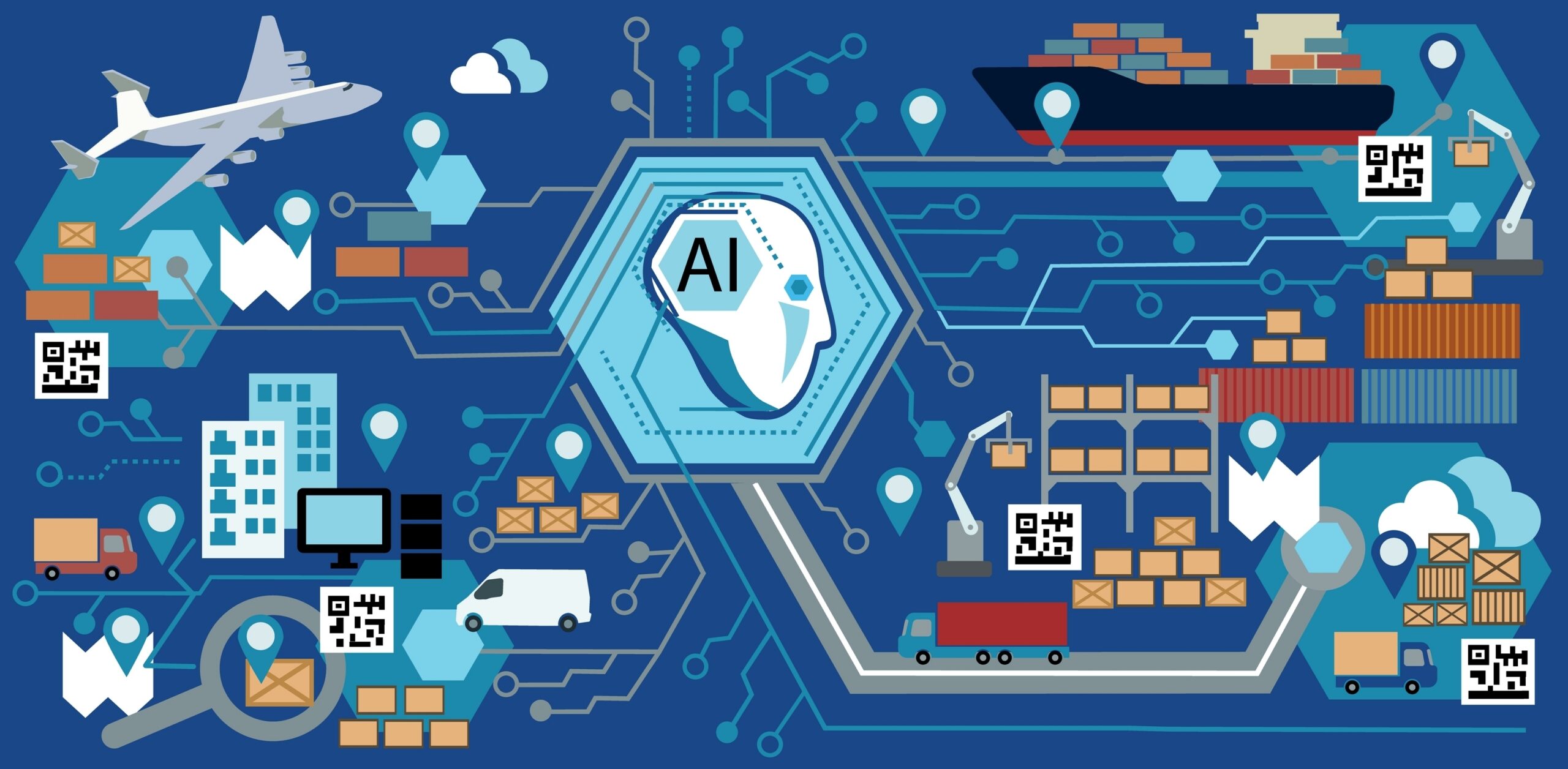
Please do not AI Stupid. What do I mean? AI Stupid is putting agents and agentics on top of existing architectures believing that making them faster and hands free add value. To me, this is fools play.

I love AI. I am excited about new technologies. To this end, I want to shine a light on how new technologies can help address the black holes and inconsistencies in today’s supply chain, which largely stem from the limitations of the first generation of supply chain planning and execution technologies. In this blog, I give you three places to start.
Read More »

Do You Need a Supply Chain Coach?

Supply chain is where the rubber hits the road. For a public company, over 40% of market capitalization is tied to the trade-offs between growth, operating margin, inventory management, and Return on Capital Employed.

The road for supply chain improvement is fraught with issues. Here we share some and offer some advice.

Read More »

Is your Supply Chain AI Ready?

A simple quiz to assess an organization’s AI readiness.

The pace of change is fast and furious. Every day, technology advances faster than we can digest. A great challenge to have.

Determining whether a supply chain is “AI-ready” is less about technology and more about the gray matter between the ears of supply chain leaders. Leadership, alignment, and clarity of goals matter.

Too few companies are clear on the definition of supply chain excellence. Measuring and rewarding functional metrics reduces the firm’s value. Putting agentics on top of today’s processes can make bad practices run faster, reducing value.

The toughest job for the supply chain leader is challenging existing supply chain paradigms that were defined by the limitations of decades of supply chain technologies. As the curtain lifts on the potential of new forms of technology, process redefinition is our opportunity, but only if we are clear on what drives value. (Here, I link to the Supply Chains to Admire reports to help you define value. The next report will be published on June 23rd, along with my Dynamic Benchmarking Product, to help you define value in the face of your AI readiness. More information about the launch is at the bottom of this blog.)

Read More »

Case Study: A Scrappy Demand Management Approach

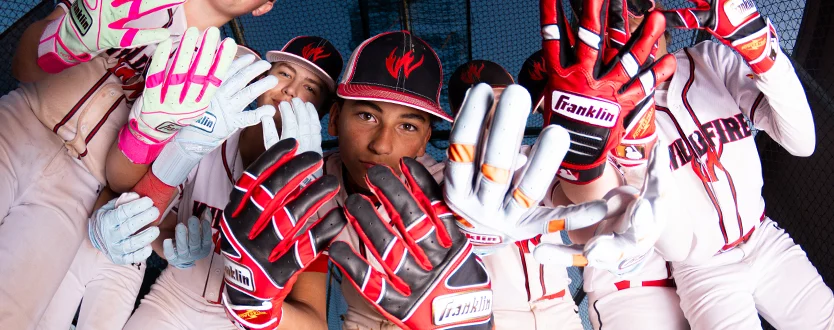
This study of Franklin Sports shines a light on the work that needs to be done at the sales account level to challenge a retail forecast, and also highlights the importance of a new technique for a forecast engine — reinforcement learning.

Artificial intelligence comes in many forms — large language models, generative AI, machine learning, unstructured text mining, deep learning, neural networks, reinforcement learning, agents, and agentics. While the industry is wigging out about agentics, I think reinforcement learning is a great step forward in the journey of Artificial Intelligence.

Read More »

Can We Side-Step the AI Spin Cycle?

When it comes to combining tech, 1+1+1 should equal more than 1. The impact should be exponential. Unfortunately, today, the answer is 0.

What do I mean? Let me explain.

I find that the supply chain technology market moves slowly along traditional technology lines. Conferences are usually focused on the use of technology, not on redefining work. This bothers me. I want it to bother you as well.

Here I share some insights to drive change.

Read More »

Supply Chain Health Check: The Power of an Orbit Chart

An orbit chart is a powerful tool for understanding the “health” of a supply chain and its potential for improvement. The supply chain is a complex, non-linear system with limited trade-offs. The relationship between trade-offs varies by industry, region, and size. The orbit chart is a diagnostic we use in the Supply Chains to Admire work. Here I explain the use case.

Read More »