 Tonight, I pour a toast. This is the third birthday of the Supply Chain Shaman.
I created this blog three years ago. At the time, I had just left AMR Research. I was scared. I had a broken foot, and I was hobbling around on crutches, and thinking about starting a new chapter of my career. My best friends thought that I was daft.
I was happy at AMR and I was sad to leave. AMR had just been bought by the Gartner Group. As Tony Friscia, CEO of AMR, made the announcement of the sale to the AMR team, tears streamed down my cheeks. I was less clear on where I was going than the fact that I needed to leave. The decision became clear. I had worked for Gartner before, and I knew the impact of the merger.
The decision meant leaving five years of work behind. I had to start anew. Starting a blog seemed like a natural place to start. So, I searched for a name. For weeks, I tossed and turned. What would I call this blog? What would make sense? It needed to have name recognition and a clear identity. And, finally, there was a spark. When I went to Altimeter group, my friends Charlene Li and Jeremiah Owyang said that I should be like a “shaman” and help supply chain leaders embrace new technologies. I quickly did a search for Supply Chain Shaman…and voila, the new blog was born.
This is my 156th blog post to 5000 readers. The most popular posts are on demand management and Supply Chain Metrics that Matter. I try to have a good time with this blog. I tell stories and blend in a bit of humor. The Shaman has served me well.
The Shaman blog, and my new company, Supply Chain Insights, were born in the same month and the same week, two years apart. So, tonight, I also toast the first year of Supply Chain Insights.
Supply Chain Insights is a true bootstrap startup. The team of Abby, Constance, Heather, Jill, Mikey, Naomi, Regina and I have all worked together to deliver a year of firsts. We have laughed, worked hard, celebrated each success and produced/accomplished twice as much as anyone thought possible. The success in the market would not have happened without a committed team.

In 2012, I am proud that we have published 24 reports, completed 14 quantitative research studies and have had over 72,000 views of our work on Slideshare. This week, I will publish four new reports. I like the ability to write quickly and to have a firm foundation of research underneath the writing.
Research is at our core. We have built a database of twenty years of supply chain financial ratios that we mine daily for companies to understand where they are on the Supply Chain Effective Frontier against their peer group. We are working to combine qualitative interviews, with quantitative data and supply chain financial data. The team is learning every day. Over the course of 2012, I feel that we made a lot of progress.
It is fun. Each day, I get invites from three to five supply chain leaders through LinkedIn that want to join us in our efforts to redefine supply chain excellence. The research is based on these volunteers. In Open Content research, we are dependent on companies giving us their time to help us complete research studies. If companies give us ten minutes to finish one of our surveys, then we will give them an hour and review the findings with them. Unlike others that do this as business development for vendors of IT solutions, we always keep our individual and company names anonymous. Trust is at the foundation of our model. We are trying to drive new insights into the market. And, it is working. Over the course of the last year, we had 360 individuals from over 300 companies that participated in the research process. At the end of the first year, we remain committed to our Open Content research process and serving this audience.
 I am also proud of the book, Bricks Matter, that I co-authored with Charlie Chase. It published on December 26th. In the picture, we are sending signed copies to contributors. The book is now in its second printing. We now have seven five-star reviews on Amazon. Each morning, I analyze how it is selling and look for new reviews. The first review came from a digital reader in Australia. The second was from a reader in Poland. How cool is that?
Over the course of the past year, we kicked off a monthly newsletter, the free Supply Chain Insights monthly webinar series, and the Supply Chain Insights Community. We now have over 500 members in the community and we are adding gamification and launching the Supply Chain Superheroes soon. It will be fun!
But, most importantly, at the end of this year, I give thanks to our customers who made this possible. Over the year we worked with over seventy companies on defining supply chain excellence. I am proud that over 60% of Supply Chain Insights’ business came from line-of-business leaders. We made revenue through public speeches, webinars, advisory work, and custom research projects. We have worked to remain the objective voice in the market. We do not endorse technology vendors or write white papers. We are committed to keeping our revenue model focused on the line-of-business leaders.
In 2013, we will continue to serve this community by expanding services. This week, we’re working on the initial episodes of our podcast series called Straight Talk With Supply Chain Insights. This series is free and will appear initially at our Supply Chain Insights website; and, once we’ve gotten through the lengthy approval process, they will be available via the iTunes podcast app. It is our hope that you will download us to accompany you on your run or walk, or that we can help you move better on the treadmill. We are also committed to building supply chain talent. To this end, we are also expanding services with the launch of public training on supply chain excellence (based on the published book Bricks Matter). This will be a monthly public two-day training course in manufacturing centers in Europe and the United States. Each participant will receive a customized view of their company on financial peer benchmarking and will leave with a much clearer view of how to define Supply Chain Excellence and Define the Path Forward for Supply Chain 2020.
This week, we are also announcing our Supply Chain Insights Global Summit to be held at the Phoenician on September 11th-12th, 2013. I really did not want to do a conference, but I have been talked into doing this by popular request. The network of supply chain professionals is telling me that there are just too many conferences in the market that lack content and are too commercial. They are asking me to put on a content-rich, small event that will be limited in vendor attendance. So, we have designed an event that will be limited to 120 people with a maximum of 40 vendors (IT providers and consultants). There will be no exhibit halls or paid speaking slots. The focus of this conference will be the evolution of Supply Chain Metrics that Matter and the launch of the Supply Chain Index (a formulaic representation of supply chain excellence by peer group). The speakers will be the leaders of manufacturing and retail companies that have driven the best results in building supply chain excellence. The event will be made available to the wider population through a videocast during the event, and we will publish an ebook on the evolution of Supply Chain Metrics that Matter.
So, at the end of the end of three years, I want to give a toast to the Shaman, to my new Company, and to you, the Supply Chain Leader. Many thanks for allowing me to live my dream.
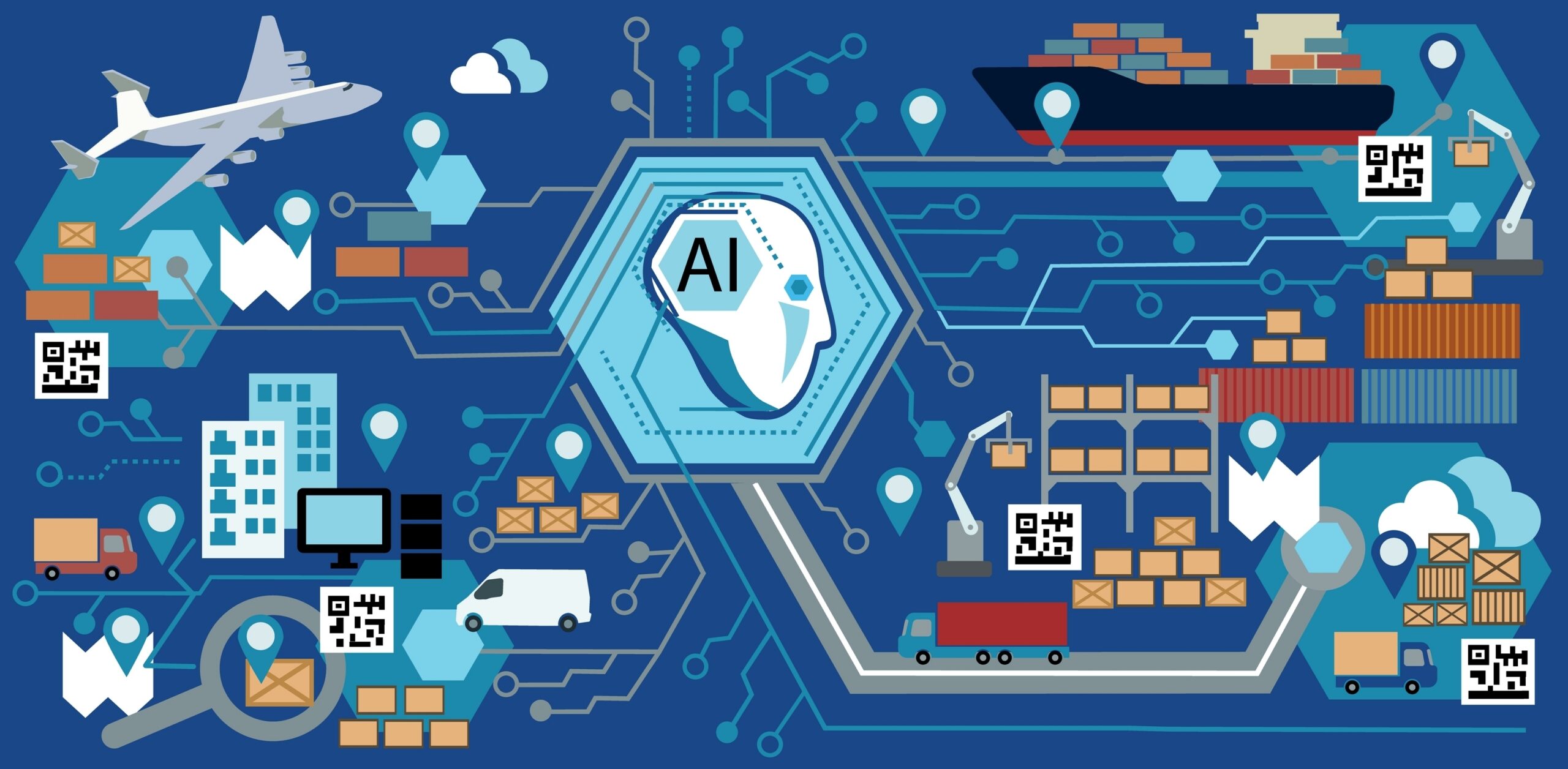
Is your Supply Chain AI Ready?
A simple quiz to assess an organization’s AI readiness.
The pace of change is fast and furious. Every day, technology advances faster than we can digest. A great challenge to have.
Determining whether a supply chain is “AI-ready” is less about technology and more about the gray matter between the ears of supply chain leaders. Leadership, alignment, and clarity of goals matter.
Too few companies are clear on the definition of supply chain excellence. Measuring and rewarding functional metrics reduces the firm’s value. Putting agentics on top of today’s processes can make bad practices run faster, reducing value.
The toughest job for the supply chain leader is challenging existing supply chain paradigms that were defined by the limitations of decades of supply chain technologies. As the curtain lifts on the potential of new forms of technology, process redefinition is our opportunity, but only if we are clear on what drives value. (Here, I link to the Supply Chains to Admire reports to help you define value. The next report will be published on June 23rd, along with my Dynamic Benchmarking Product, to help you define value in the face of your AI readiness. More information about the launch is at the bottom of this blog.)