Over the past seven years, I have written more than 500 articles on Demand-Driven Value Networks. So it may come as a surprise to readers that I do not believe that Demand Driven is the end state. I believe that it is the most effective means to an end. So, if you are scratching your head and saying, “huh?” Please give me a few more minutes to explain.
The research supports that demand-driven value chains based on outside-in design enables the most effective response with the least amount of waste. However, it is not sufficient. The market is upping the ante. The right product, right time, right place is not sufficient. The move is to value-based outcomes with demand-driven as a means to an end. Consider these trends:
-Aerospace and Defense:
Goal: Performance-based logistics.
The end goal of the value chain is to maximize up-time. No longer is sufficient to just build an aircraft. Instead, the products and services are aligned to increase hours in the air.
-Consumer Products:
Goal: Brand advocacy.
The purchase is not sufficient to drive brand advocacy. It happens from a combination of services and products delivered by the value chain. The goal is to deliver at four moments of truth: brand awareness to get on the shopper’s list, supply chain capabilities to have the right product on the shelf, capabilities to delight the customer in usage, and environmental friendly disposal.
-Healthcare:
Goal: Health and wellness.
Products and services to improve the quality of life. As a result, there is a shift to preventive care, biomedical sensing in the home, and biologics.
–Consumer Electronics:
Goal: New product excitement
The merge of mobility, gaming, and the redefinition of home entertainment is accelerating product cycles, increasing the importance of content, and the need for product support.
What does all this mean?
I see four shifts.
-The search is on to determine what drives maximum value. I am continually amazed that companies are not clear on what drives value in their value network. What are the right trade-offs? How do you maximize the response to trade off sustainability, corporate social responsibility, tax effectiveness, innovation/growth and risk? This search–especially sustainability and tax efficiency– are increasing the demand for network design analysis.
-Supply chain services have never been more important: In 80% of durable companies, services operate as a separate, and distinct profit center. This is a barrier to combining products and services to deliver value-based outcomes. The design and delivery of services need to be inter-woven through new product launch, Sales and Operations Planning, Network Design, and Third-party relationships (contract manufacturing and sourcing). The voice of the customer and warranty information needs to tie to product design, manufacturing, and sourcing decisions.
-Greater need to design the supply chain based on value-based outcomes from the outside-in: This trend ups the ante to design supply chains from the outside-in with a focus on the true customer and the design of the channel for effective delivery. The focus is sensing and real-time test and learn strategies.
-Data grows in importance. With these shifts, data grows in importance. Companies are increasingly learning the importance of master data management the HARD WAY! Today, we are seeing the rise in system deployments for planning master data, demand data and supply data. Strong horizontal processes require clean data held at the granular level to support what-if simulation. The good news is that we are seeing a redefinition of predictive analytics to support this change. For the first time, I am also seeing a new role: Vice President of Master Data Management.
What do you think? Are you seeing the rise in importance of focus on value-based outcomes? If so, what do you think that this means?
Look for me at the ModelN conference in Philadelphia next week.
We will also be discussing some of these trends on an upcoming Kinaxis webinar. You can register at http://info.kinaxis.com/content/event-registration. See you there!
The Myth of End-to-End Planning
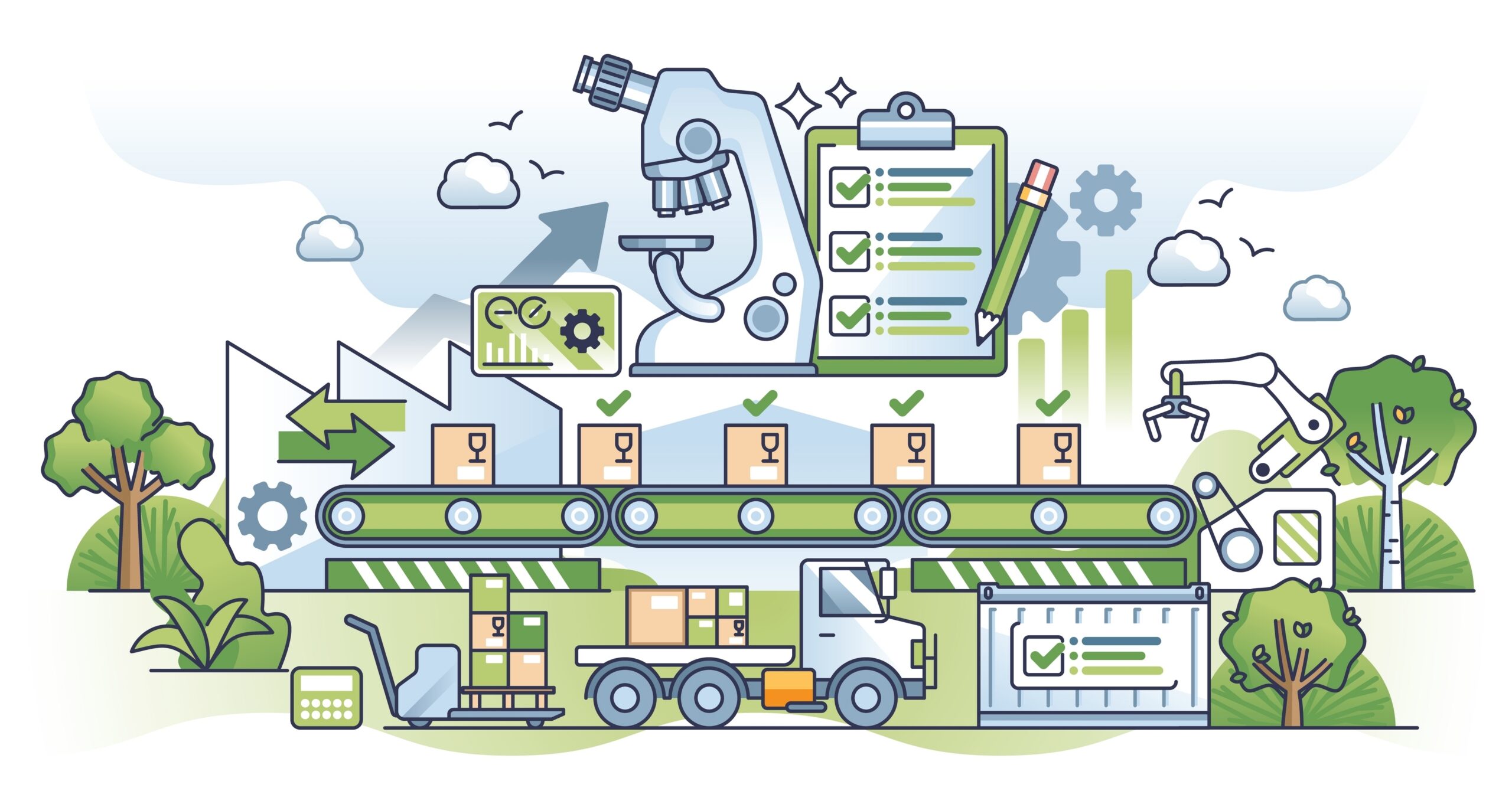
Supply chain planning, supply management, supply chain execution, network design, and transportation/logistics management operate in silos. Not much has changed over four decades. The connections flow back through transactional systems: order-to-cash and procure-to-pay. There is a myth that companies can buy an end-to-end supply chain management solution. This is largely a myth. Here we explain.