
Lead Time: A Broken Gossamer
If you are struggling with supply chain planning, dancing in...
Read More
Do You Need a Supply Chain Coach?
Supply chain is where the rubber hits the road. For...
Read More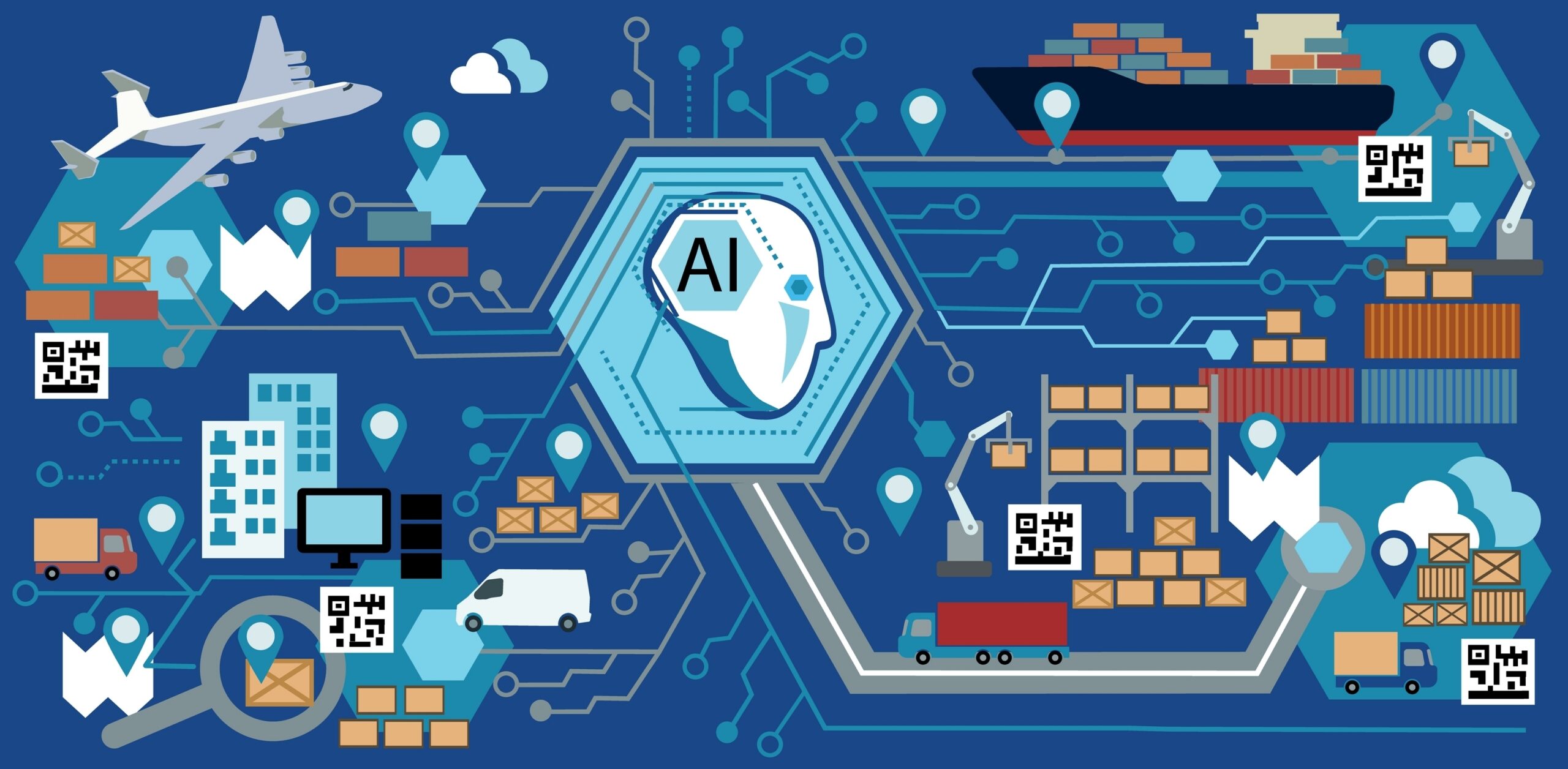
Is your Supply Chain AI Ready?
A simple quiz to assess an organization's AI readiness. The...
Read More
Case Study: A Scrappy Demand Management Approach
This study of Franklin Sports shines a light on the...
Read More
Can We Side-Step the AI Spin Cycle?
When it comes to combining tech, 1+1+1 should equal more...
Read More
Supply Chain Health Check: The Power of an Orbit Chart
An orbit chart is a powerful tool for understanding the...
Read More
Industry Solutions Should Drive Value Networks: They Don’t Today
Today, companies require industry-specific supply chain solutions. The performance of...
Read More
Are You Writing a Check You Cannot Cash?
Don't let a well-intending, but ill-informed consultant or technologist set...
Read More
The Sad Demise of the Food Industry
For the period of 2016-2025, the industry average was 11%...
Read More
Hooey /hoo͞′ē/: Phooey /foo͞′ē/
This post aims to shed light on a dark, automated...
Read More
SAAS: A Prescription for Success
In the first quarter of 2026, the value of the...
Read More
Let’s Form a Coalition to AI Smart
The supply chain is knotted. It is unruly. It is complex....
Read More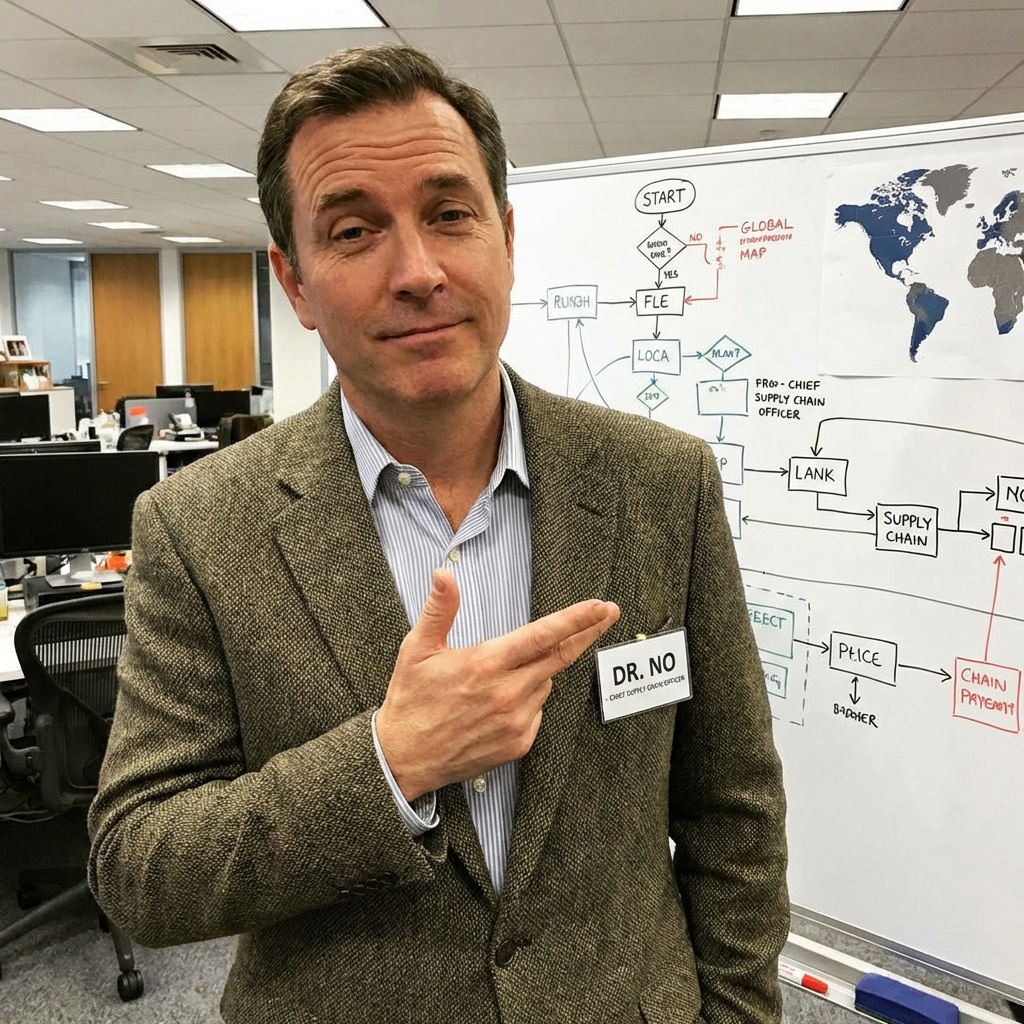
Meet the New Dr. No.
The buyer today for supply chain planning is more conservative....
Read More
Move Your Own Mountain
The journey of AI automation is a path of carrying...
Read More
Don’t Forget To Question First Principles and Design the User Experience
The industry need state requires the redefinition of the current...
Read More
Failure: a Building Block for Success
As I enter my fifteenth year of trying to help...
Read More
My Answer to Vijay
My answer to Vijay on techniques to try to improve...
Read More
The Beat Goes On
A reflection of how we need to unlearn to rethink...
Read More
The Re-Tread Dance with Late Adopters
Building innovation in supply chain requires a new approach and...
Read More
Supply Chain Engineer Apply Here
Definition of a Supply Chain Engineer to Orchestrate.
Read More
Beyond Rabbit Ears on a Black & White TV
When I was a young girl, we received one television...
Read More
Digital Transformation: Where Was the Beef?
Where is the Beef? is now a colloquialism. The phrase...
Read More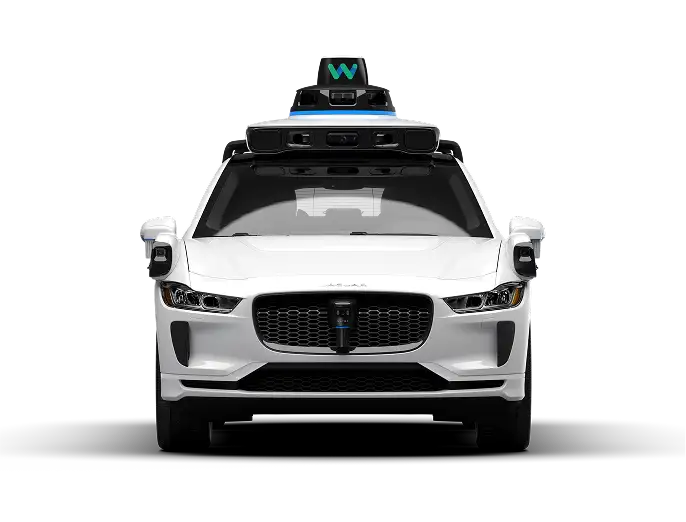
Zac, Don’t Waymo My Supply Chain
Companies use the term autonomous supply chain planning often as...
Read More
AI is Everywhere, but Nowhere. An Unfortunate Reality for Planning.
A discussion on why we cannot gain value by putting...
Read More
Planning Through the Bubble
Getting ready for a market downturn. Steps planning teams should...
Read More
The Orchestration Shuffle
As approaches in Artificial Intelligence mature, we have the opportunity...
Read More
Mistakes and Opportunities
Discussion of the barriers in moving from traditional planning platforms...
Read More
Native-AI Supply Chain Planning: A Blueprint for Success
Sharing of a blueprint to adopt Native-AI Platforms in the...
Read More
Pattern Recognition: the Cape for the Unsung Supply Chain Hero
I started Supply Chain Insights as an open research company...
Read More
The Deserted Mall is an Important Symbol for Supply Chain Leaders
Thinking about the pervasive shifts in the technology landscape.
Read More Lora Cecere is the Founder and CEO of Supply Chain Insights , the research firm that’s paving new directions in building thought-leading supply chain research. She is also the author of the enterprise software blog Supply Chain Shaman. The blog focuses on the use of enterprise applications to drive supply chain excellence. Her book, Bricks Matter, published in December of 2012.
As an enterprise strategist, Lora focuses on the changing face of enterprise technologies. Her research is designed for the early adopter seeking first mover advantage. Current research topics include the digital consumer, supply chain sensing, demand shaping and revenue management, market-driven value networks, accelerating innovation through open design networks, the evolution of predictive analytics, emerging business intelligence solutions, and technologies to improve safe and secure product delivery.
She comes to the stage with over thirty years of diverse supply chain experience. She spent nine years as an industry analyst with Gartner Group, AMR Research, Altimeter Group and is now the founder of her own firm Supply Chain Insights. Prior to becoming a supply chain analyst she spent fifteen years as a leader in the building of supply chain software at Manugistics and Descartes Systems Group, and twenty years as a supply chain practitioner at Procter & Gamble, Kraft/General Foods, Clorox, and Dreyers Grand Ice Cream (now a division of Nestle).
Lead Time: A Broken Gossamer
If you are struggling with supply chain planning, dancing in the light of shiny objects, and scratching your head, please read on. My goal is to help you.
Please do not AI Stupid. What do I mean? AI Stupid is putting agents and agentics on top of existing architectures believing that making them faster and hands free add value. To me, this is fools play.
I love AI. I am excited about new technologies. To this end, I want to shine a light on how new technologies can help address the black holes and inconsistencies in today’s supply chain, which largely stem from the limitations of the first generation of supply chain planning and execution technologies. In this blog, I give you three places to start.
Do You Need a Supply Chain Coach?
Supply chain is where the rubber hits the road. For a public company, over 40% of market capitalization is tied to the trade-offs between growth, operating margin, inventory management, and Return on Capital Employed.
The road for supply chain improvement is fraught with issues. Here we share some and offer some advice.
Is your Supply Chain AI Ready?
A simple quiz to assess an organization’s AI readiness.
The pace of change is fast and furious. Every day, technology advances faster than we can digest. A great challenge to have.
Determining whether a supply chain is “AI-ready” is less about technology and more about the gray matter between the ears of supply chain leaders. Leadership, alignment, and clarity of goals matter.
Too few companies are clear on the definition of supply chain excellence. Measuring and rewarding functional metrics reduces the firm’s value. Putting agentics on top of today’s processes can make bad practices run faster, reducing value.
The toughest job for the supply chain leader is challenging existing supply chain paradigms that were defined by the limitations of decades of supply chain technologies. As the curtain lifts on the potential of new forms of technology, process redefinition is our opportunity, but only if we are clear on what drives value. (Here, I link to the Supply Chains to Admire reports to help you define value. The next report will be published on June 23rd, along with my Dynamic Benchmarking Product, to help you define value in the face of your AI readiness. More information about the launch is at the bottom of this blog.)